top of page
.png)
MY BLOG
Search


THE BEERS PERUVIANS ACTUALLY DRINK
Forget imported brands. Most Peruvians reach for Pilsen Callao, Cristal, or Cusqueña. These classics dominate football matches, family gatherings, barbecues, and weekend parties, while regional beers like Arequipeña, San Juan, and Pilsen Trujillo have loyal local followings. One curiosity is Pum Pum, a beer with 6% alcohol, making it one of the strongest mainstream beers in Peru. It's known for its stronger kick and has earned a cult following among drinkers looking for somet
Jul 161 min read

ALAN GARCÍA: "PROVE IT, IMBECILES!"
Few Peruvian presidents remain as controversial as Alan García. Known for his fiery speeches and unforgettable phrase, "¡Demuéstrenlo, pues, imbéciles!" ("Prove it, then, imbeciles!"), he became one of the country's most polarizing political figures. In April 2019, as police arrived to arrest him in connection with the Odebrecht corruption investigation, García died by suicide from a self-inflicted gunshot wound, according to the official investigation. His death, however, ga
Jul 161 min read

SUSY DÍAZ: THE POWER OF NUMBER 13
In 1995, Peru witnessed one of the most unforgettable political campaigns in its history. TV personality Susy Díaz painted the number 13—her ballot number—on her buttock, turning a simple campaign number into a national sensation. Against all expectations, she was elected to Congress. What many people don't know is that, beyond the publicity, she presented dozens of bills during her term, with several becoming law. Her story remains one of Peru's most unusual examples of how
Jul 161 min read
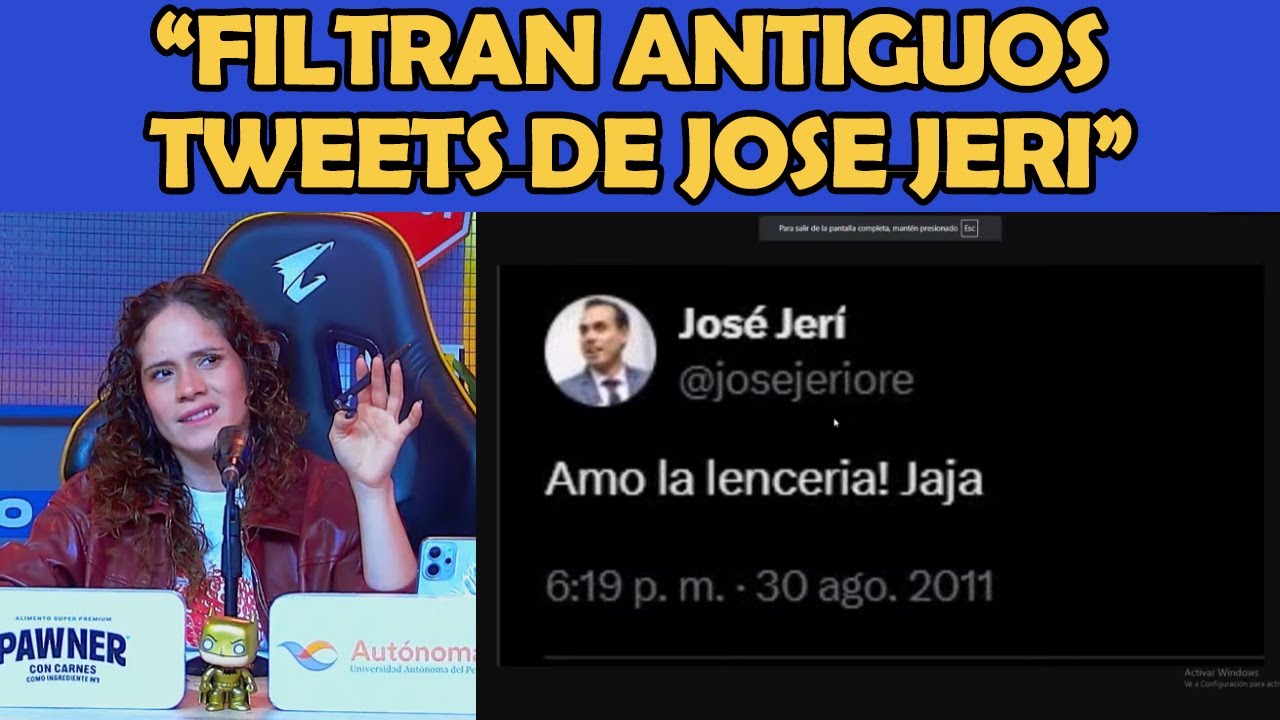
JOSÉ JERÍ: THE "PAJERÍN" MEME
JOSÉ JERÍ: THE "PAJERÍN" MEME. In Peru, politics and memes often go hand in hand. José Jerí became the subject of countless jokes after the nickname "Pajerín" spread across social media, turning him into one of the country's latest viral political memes. As with many Peruvian politicians, online discussions often become bigger than the political story itself. Memes, edited videos, and jokes can spread nationwide within hours, becoming part of everyday conversations. Whether y
Jul 161 min read

CÉSAR ACUÑA: PERU'S KING OF ACCIDENTAL QUOTES
César Acuña accidental quotes. Few politicians have produced as many memorable phrases as César Acuña. Over the years, his speeches have become a source of endless memes, jokes, and viral videos because of confusing wording, unusual expressions, and statements that often leave Peruvians wondering what he meant. His most famous quote, "Plata como cancha" ("Money like a soccer field"), became part of everyday Peruvian slang and is now used to describe someone with enormous weal
Jul 161 min read

LA TIGRESA DEL ORIENTE: PERU'S UNLIKELY INTERNET ICON
Before TikTok and viral influencers, Peru had La Tigresa del Oriente. With colorful outfits, low-budget music videos, and fearless confidence, she became one of Latin America's first internet sensations. What began as a local music career exploded worldwide when her videos spread across YouTube, earning millions of views and turning her into a cult figure far beyond Peru. While many laughed at her unconventional style, others admired her determination and refusal to let criti
Jul 161 min read

MORBO: PUNK ROCK FROM THE CONSTRUCTION SITE
Morbo punk rock Peru. One of the most authentic voices in Peru's punk scene comes from an unexpected place: construction. The lead singer of Morbo works as a construction laborer by day and takes the stage by night, proving that Peruvian rock has always been driven by passion rather than fame. Known for chaotic, high-energy performances, the band's frontman has even performed completely naked on stage, turning Morbo's concerts into legendary events within Lima's underground s
Jul 161 min read
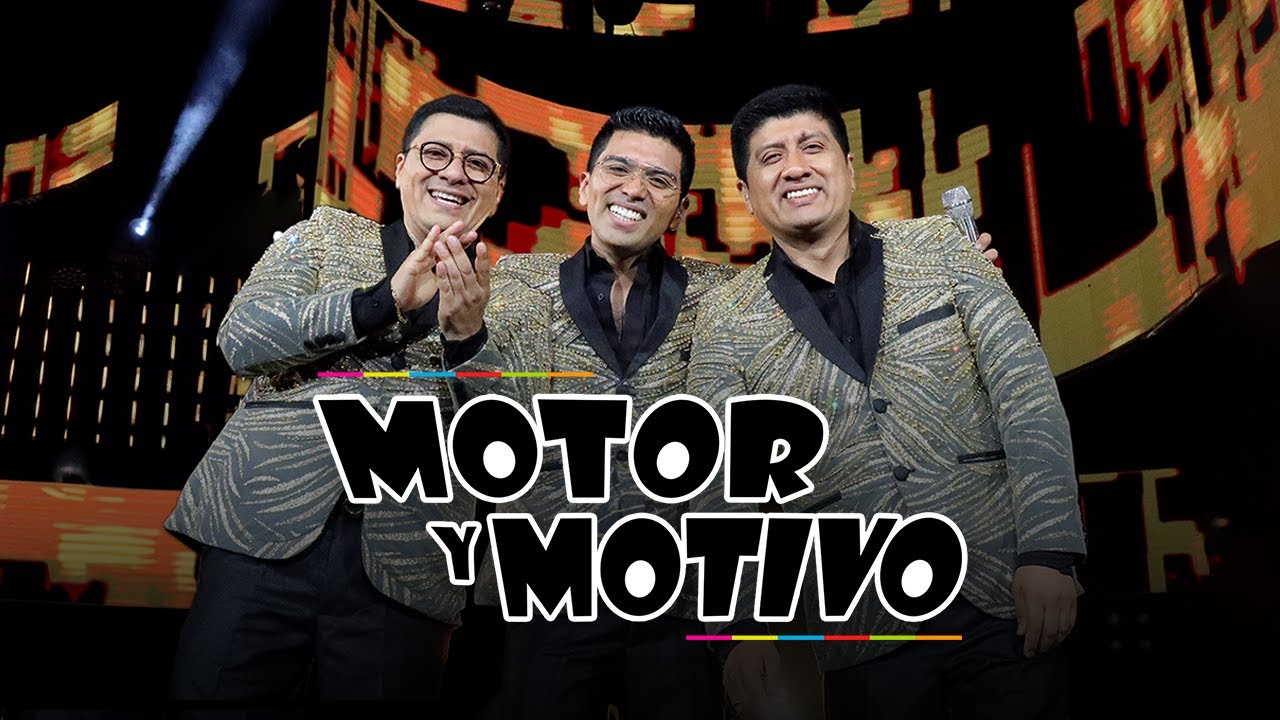
GRUPO 5: THE BAND THAT UNITES PERU
Grupo 5 Peru. Few artists are as deeply woven into everyday Peruvian life as Grupo 5. Founded in 1973 in the northern city of Monsefú, the band helped transform cumbia into the soundtrack of modern Peru. Their music crosses every social barrier. Rich or poor, young or old, from the coast, the Andes, or the Amazon—everyone knows Grupo 5. Their songs play at weddings, birthdays, neighborhood parties, buses, markets, and family reunions. If there's a celebration, there's a good
Jul 161 min read

FARAÓN LOVE SHADY: THE GOD OF VERSATILITY
If there's one person almost every Peruvian under 40 knows, it's Faraón Love Shady. Rising from social media with low-budget music videos, outrageous lyrics, and unstoppable confidence, he transformed himself from an internet meme into one of Peru's most recognizable online personalities. Calling himself the "God of Versatility," Faraón built his fame by embracing criticism instead of avoiding it. Every joke, parody, and viral clip only made him more popular. Whether people a
Jul 161 min read

THE CHINESE INFLUENCE: THE ASIAN ROOTS HIDDEN IN PERU
Chinese influence in Peru. More than 170 years ago, thousands of Chinese immigrants arrived in Peru, bringing their traditions, flavors, and language. Over time, they became one of the most important influences in Peruvian identity. The biggest proof is on our plates: Chifa (Peruvian-Chinese cuisine), where ingredients and techniques from China mixed with Peruvian flavors to create classics like arroz chaufa and lomo saltado. But the influence goes beyond food. Some Chinese w
Jul 151 min read


THE PERUVIAN HUMILITY CODE
In Peru, being too proud of yourself can sometimes work against you. A common social rule is to stay humble, avoid showing off, and let others recognize your achievements. This doesn't mean Peruvians lack ambition. It reflects a cultural preference for modesty, respect, and keeping good relationships. Someone successful who remains approachable often earns more admiration than someone who constantly highlights their achievements. Understanding this unwritten rule helps explai
Jul 151 min read

SARA HELLEN: PERU'S VAMPIRE LEGEND
In Peru, some legends refuse to disappear. One of the strangest is the story of Sara Hellen, a mysterious woman said to have arrived in Peru in the early 1900s and later became linked to tales of vampires, forbidden love, and the supernatural. According to the legend, her tomb in Pisco became a place of curiosity for decades, attracting visitors fascinated by rumors that she was not an ordinary woman- Whether you believe the story or not, Sara Hellen became part of Peru's col
Jul 151 min read


DO PERUVIANS HATE SPANIARDS?
The answer is more complicated than a simple yes or no. The Spanish conquest left a deep mark on Peru: a new language, religion, architecture, and culture—but also conflict, exploitation, and the destruction of the Inca Empire. Today, most Peruvians don't view Spaniards through a single lens. Some celebrate the shared heritage, while others remember the painful parts of history. Like many countries shaped by colonization, Peru carries both pride and controversy. Ask a Peruvia
Jul 151 min read

AYAHUASCA: ANCIENT TRADITION OR MODERN CONTROVERSY?
For centuries, Amazonian communities have used ayahuasca in spiritual ceremonies, guided by experienced healers who see it as a tool for connection, reflection, and tradition. Today, this ancient practice has crossed borders and become popular worldwide, attracting travelers searching for spiritual experiences. But its growing popularity has also created debates about commercialization, cultural respect, and who has the right to share these traditions. For Peru, ayahuasca is
Jul 151 min read

PERU'S SURVIVAL CULTURE: THE ART OF MAKING IT WORK
Peru has a word that explains a lot about its people: "recursearse." It means finding a way forward, creating opportunities, and solving problems with whatever is available. From turning simple ingredients into iconic dishes to inventing businesses on every street corner, Peruvians have developed a culture of adaptation shaped by history, migration, and challenges. Sometimes celebrated as creativity, sometimes criticized as informality, this survival mindset is deeply connect
Jul 151 min read

LIMA VS THE PROVINCES: PERU'S INVISIBLE DIVIDE
Peru is one country, but many Peruvians will tell you there is a big difference between Lima and the rest of the country. For centuries, Lima has been the political, economic, and cultural center, while many regions outside the capital have felt forgotten or overlooked. This has created differences in opportunities, traditions, accents, and even the way people see each other. But this divide is also part of Peru's identity. Millions of migrants from the Andes and Amazon have
Jul 151 min read
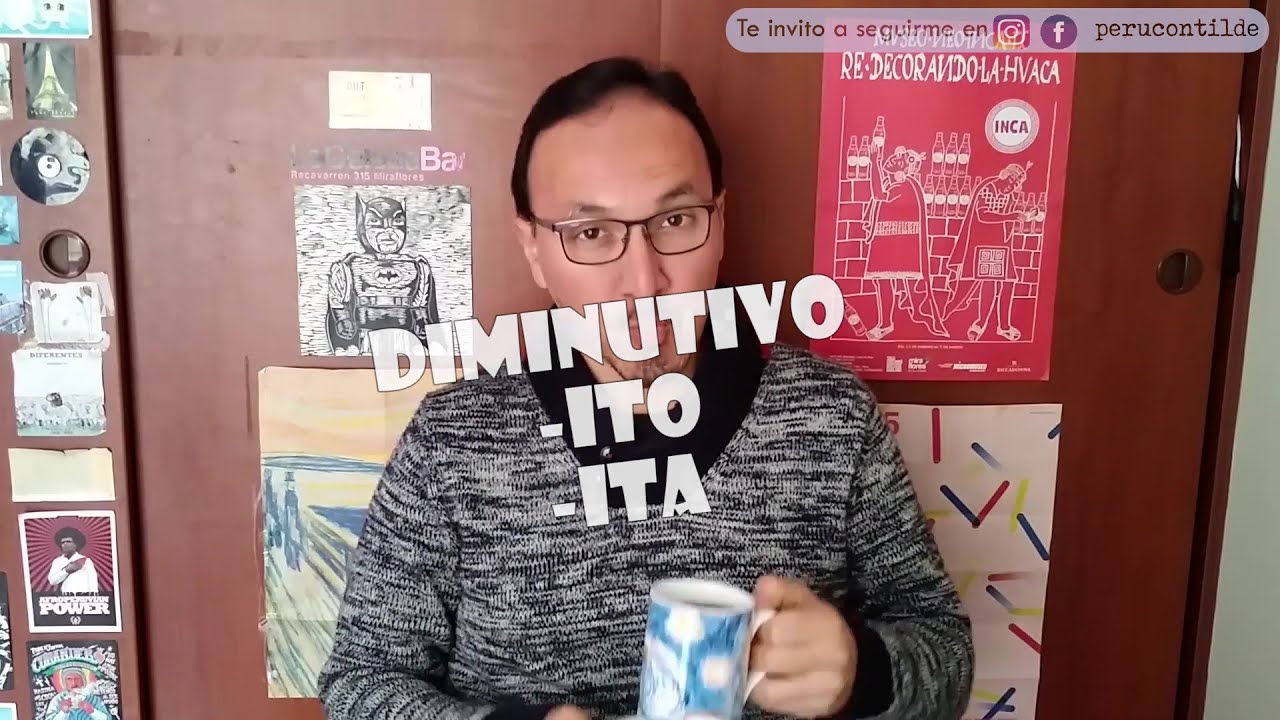
WHY PERUVIANS ADD "-ITO" TO EVERYTHING
In Peru, words often become smaller—but warmer. A coffee becomes cafecito, a moment becomes momentito, and even a friend can become amiguito. This habit of using diminutives is not only about size. It expresses affection, politeness, trust, and sometimes even softens a request or a difficult message. For many Peruvians, adding "-ito" or "-ita" makes conversations feel closer and more friendly. It is one of those small details that reveals the personality of everyday Peruvian
Jul 151 min read
LA HORA PERUANA": WHY ARE PERUVIANS ALWAYS LATE?
In Peru, arriving late has become so common that it earned its own name: "La Hora Peruana." But behind the joke is a deeper story. Concepts of time are shaped by culture, history, social habits, and the way people prioritize relationships over strict schedules. For many Peruvians, a promise to meet is sometimes more flexible than a fixed appointment. Of course, not everyone is late—but the stereotype exists because punctuality is often viewed differently than in countries whe
Jul 151 min read
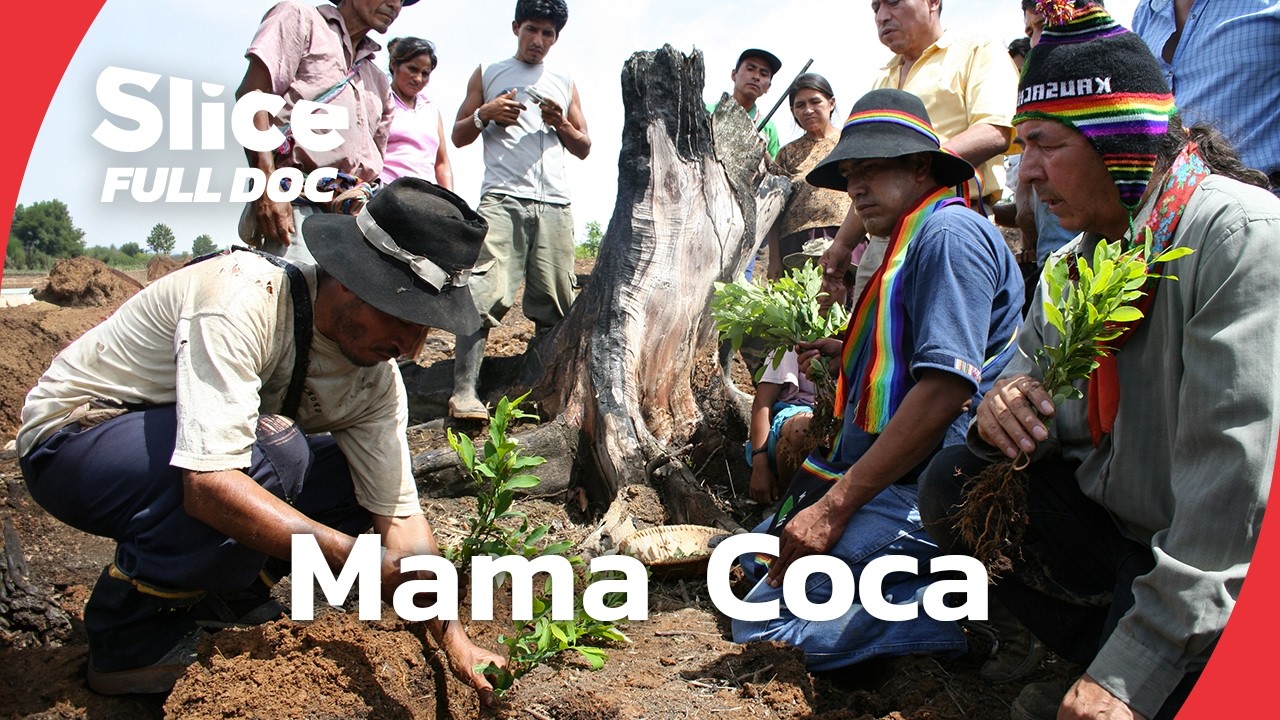
COCA LEAF AND COCAINE: THE SAME PLANT, TWO DIFFERENT WORLDS
For thousands of years, the coca leaf has been part of Andean culture. Indigenous communities used it for ceremonies, traditional medicine, and to help with altitude, hunger, and fatigue. The controversy begins because the same plant is also the raw material used to produce cocaine. But the coca leaf itself is not cocaine. The difference comes from a complex chemical extraction process that transforms a traditional plant into a powerful illegal drug. Today, coca remains a sym
Jul 151 min read

IS FEMINISM IN PERU COMPLICATED?
In Peru, feminism is not a simple story of yes or no. It is a conversation shaped by centuries of traditions, Indigenous cultures, religion, politics, social classes, and changing ideas about women's roles. From powerful women in ancient Andean societies to today's activists fighting for equality and safety, Peruvian women have always shaped the country's history. But modern feminism also faces challenges: different generations, regions, and social groups often have very diff
Jul 151 min read
bottom of page